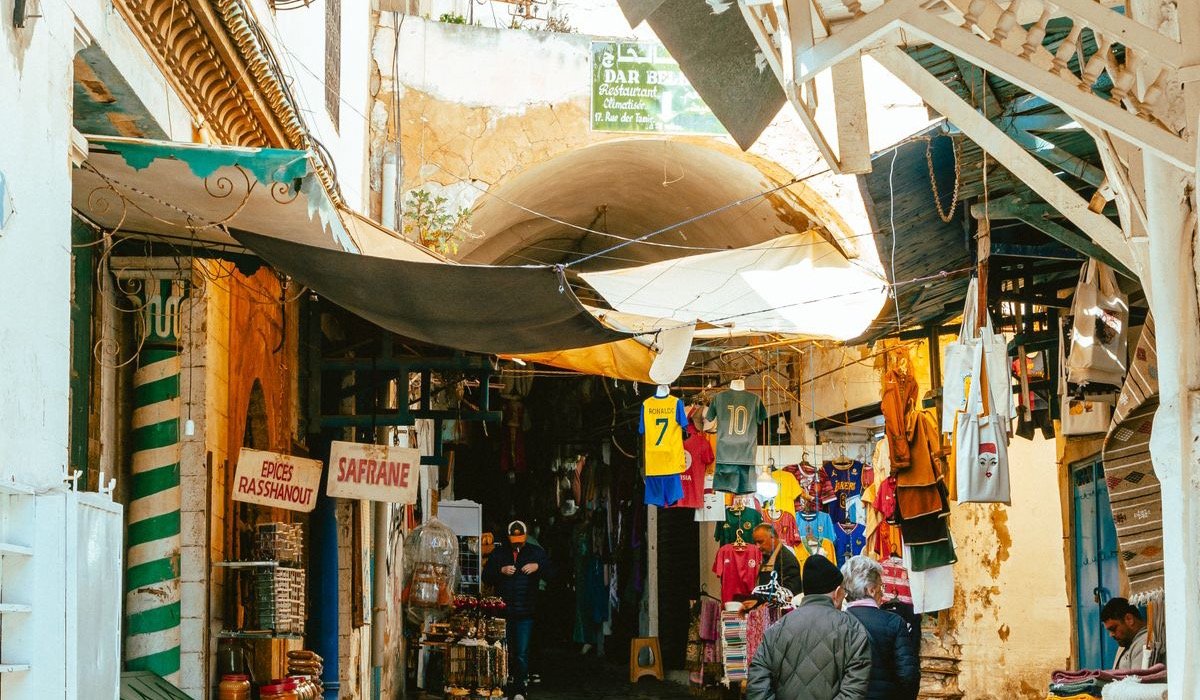
Cash on delivery runs at 70–80% of online purchases in Tunisia. That alone would make it a COD market. What makes Tunisia different from its neighbours is why, because the reason is not really consumer preference.
It is currency policy.
The dinar does not leave the country
The Tunisian dinar is not convertible, and Tunisian banks issue cards that work only on domestic websites. For a Tunisian consumer, paying by card on a foreign store is not a thing they have decided against. It is a thing they cannot do.
Hold that next to the usual COD explanation. In Morocco or Egypt, cash on delivery is a preference built on trust and habit, and a prepaid alternative exists for anyone who wants it. In Tunisia a large part of the population has no mechanism to pay a foreign merchant at all.
Preference is on top of that, and it is strong: 71% of Tunisian internet users who do not shop online say they do not trust online payment — 22 points above the global average. So you have a structural barrier and a trust barrier stacked together.
What this means for how you sell
Two very different situations, and merchants routinely conflate them.
| If you are… | Then… |
|---|---|
| A Tunisian store selling locally | Domestic cards work on domestic sites. You can offer card payment and COD, and the trust barrier is the thing to work on. |
| A foreign store selling into Tunisia | Most local cards will not work on your checkout at all. COD is not your fallback — it is your only payment method, and your store must be built around it. |
If you are in the second group, stop treating prepayment as a lever. There is nothing to pull. Every improvement has to come from confirmation and delivery, which makes the fundamentals matter more here than almost anywhere.
The trust barrier is the one you can move
You cannot change currency policy. You can change whether a nervous first-time buyer believes you are real.
In a market where seven in ten non-shoppers cite distrust, the things that look like soft marketing are actually conversion mechanics:
- A phone number that a person answers. The single strongest signal available to a small store.
- A confirmation call that sounds like a shop, not a recorded message. It is your first and often only human contact.
- Prices and the delivery fee stated plainly in dinar, with no surprises at the door.
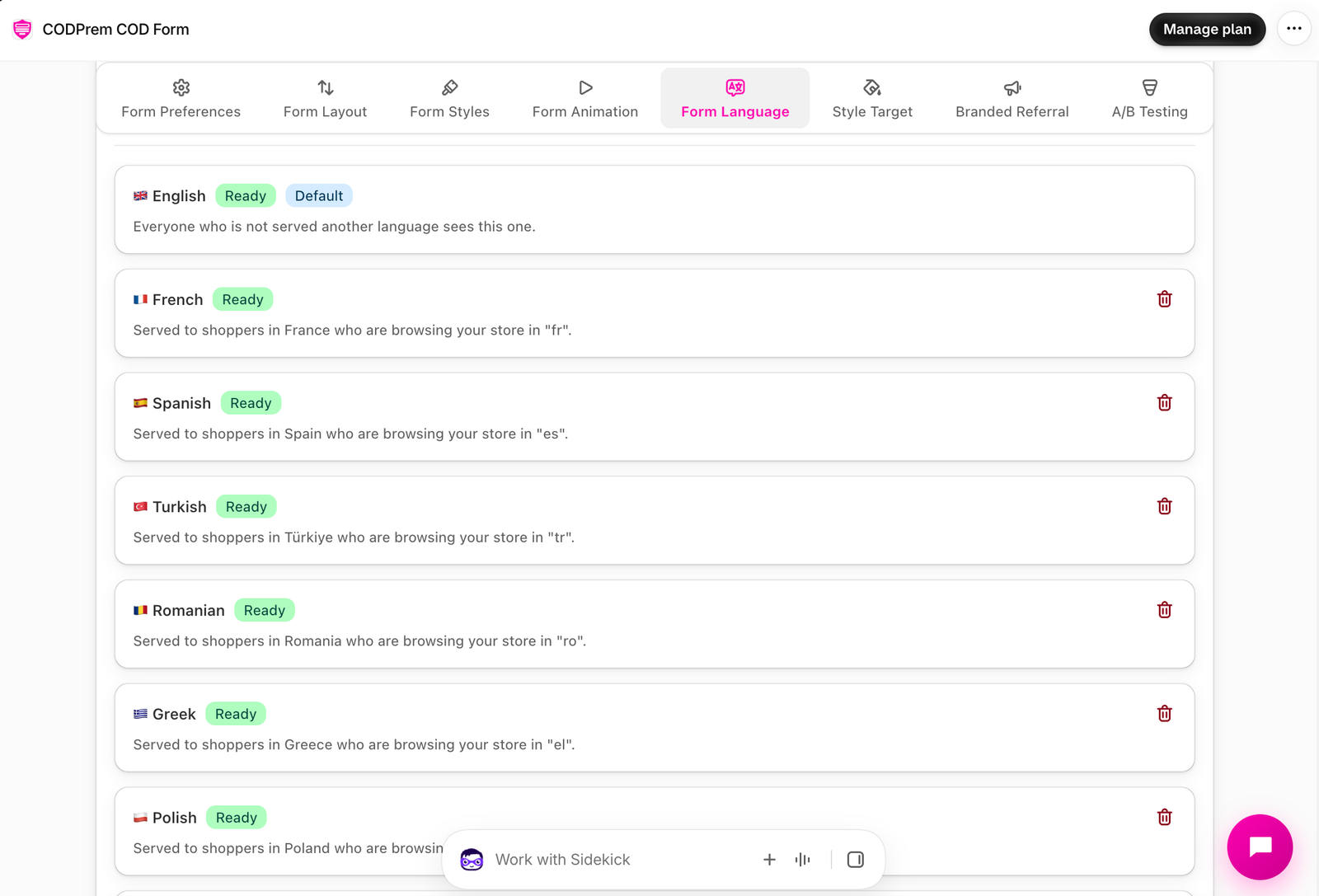
- French and Arabic. Tunisian commerce runs in both; an English-only form reads as a foreign operation, which is the exact thing the buyer is worried about.
- A clear, visible returns position. COD already protects them at the door; saying what happens afterwards removes the remaining doubt.
Logistics
Tunisia has functioning COD courier coverage, including international names such as Aramex alongside local operators. The questions are the same ones that matter in every cash market, and they are worth more than the per-parcel price:
- How often do you remit collected cash?
- What do you charge on a failed delivery?
- How many attempts before a parcel goes back?
- Which governorates are weak or excluded?
Get quotes from at least two and compare them on delivered orders after a month, not on the rate card. A carrier that is slightly dearer and delivers five points better is substantially cheaper.
The arithmetic, with no prepaid escape
Because prepayment is largely unavailable to foreign sellers here, your profit is decided entirely by confirmation rate and delivery rate. There is no third lever. What a cash-on-delivery order really earns you sets out the model; why COD customers refuse delivery covers the refusals; and confirmation rate covers the filter that comes first.
Compare that with Egypt, where Fawry lets cash customers pay in advance, or India, where UPI makes conversion the main strategy. Tunisia has neither door. The fundamentals are all there is.
Setting it up on Shopify
Shopify will happily run a Tunisian-facing store; the gap is the same one everywhere in this region. The built-in cash-on-delivery option is a manual payment method at the end of a full checkout, collecting an email you will never use instead of a phone number you need.
CODPrem replaces the Buy it now button with a one-page form: French or Arabic, delivery rates in dinar, the full total shown before the buyer commits, Google address autocomplete, and a confirmation-call question so the call reaches someone. Delivered and returned are recorded from the dashboard or read back from a shared Google Sheet your courier fills in.

Common questions
Why is cash on delivery so dominant in Tunisia?
Two reasons stacked. The dinar is not convertible and local cards generally work only on domestic sites, so foreign prepayment is often impossible. On top of that, 71% of Tunisians who avoid online shopping cite distrust of online payment.
Can I take card payments from Tunisian customers?
If you are a Tunisian merchant on a domestic setup, yes. If you are selling in from abroad, expect most local cards to fail on your checkout. Offer card payment anyway for the minority it suits, and build the store around COD.
Is Tunisia worth entering as a foreign store?
It can be, but go in knowing that prepayment is effectively off the table and your margin depends entirely on confirmation and delivery. If your product cannot survive a 20–30% refusal rate, the answer is no.
French or Arabic?
Both, if you can. French is widespread in Tunisian commerce and Arabic is the first language. Offering only one narrows your audience for no good reason.
Where to start
Decide which of the two situations above you are in, because everything follows from it. If you are selling in from abroad, stop planning around prepayment and put all your effort into reaching people on the phone — it is the only lever you have.